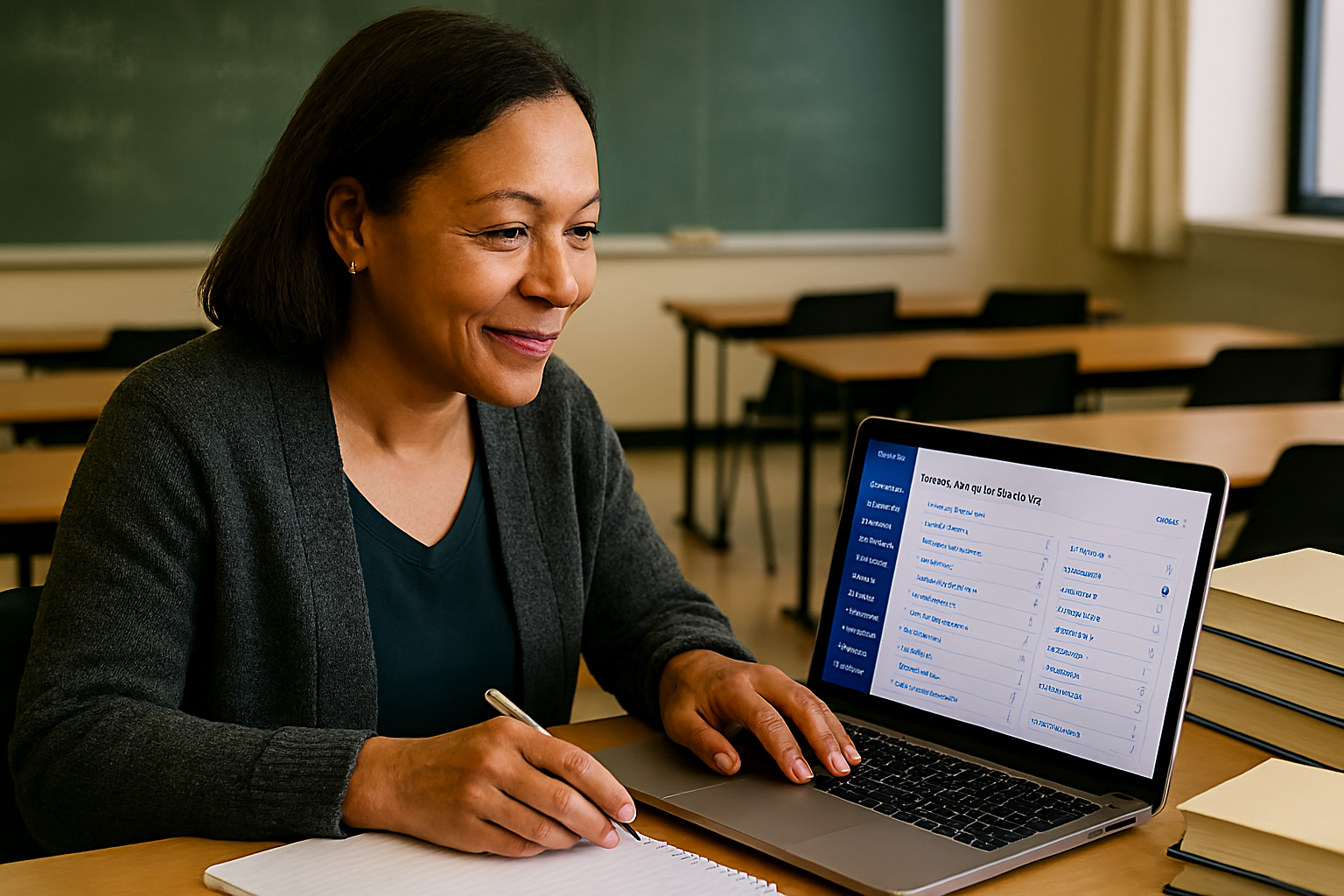
Are you a student or an instructor at a college? Have you encountered or used a software commonly called LMS? A Learning Management System is a platform used by educational institutions to help the stakeholders achieve common objectives of good management and performance. Instructors use it to manage their teaching content by posting lessons and readings and making urgent communications and tracking student performance. On the other hand, students are able to learn more effectively by accessing course content, taking and submitting quizzes and communicating with their teachers.
Overall, LMS tools make learning and teaching easier by allowing flexibility in the delivery and access of reading materials from anywhere and at any time. Here are some of the key areas where LMS tools have contributed to learning and teaching.
Enhances Communication
Communication is the breakfast for champions. Every learning institution appreciates the benefits of maintaining effective communication among relevant parties. The most appropriate LMS platform has the capacity to send announcements, reminders, and updates from the teaching staff to students in real-time. That is meant to ensure students don’t miss key information about their learning, such as when assignments are posted and changes to exam or class timelines.
There are Learning Management Systems that also have messaging or discussion board features. They allow students to pose questions and receive responses from the instructor or other learners, creating a knowledge-sharing platform. Hence, it enables learners to close on areas of learning they have an issue with earlier than waiting to meet the instructor in person.
Another important communication made using LMS tools is posting performance progress. Your instructor can easily view students who have completed and submitted their assignments and those who need help with the same. Thus, improving the overall class performance. Where there is a notable trend in negative performance, the tool helps in adjusting teaching resources and methodology.
For you as a student, you will have access to immediate and clearer information on your grades, comments from the tutor and suggested remedies. This information will help you understand what you did well and which areas need more effort. This ongoing feedback supports learning and helps you grow throughout the course.
Make Assessing Easy and Fair
Learning Management Systems come very handy when managing tests, assignments or exams. Some platforms, if not all, can systematically be used to set exams with clear rules, submission dates and grading criteria. Students are well guided on what to expect in a transparent manner.
When online quizzes are given, results are available immediately after the test is completed and submitted. It will show which areas you performed well and where you failed to put in more effort. Results given are also fair and transparent as the score sheet has a time stamp. The summary of results, presented as rubrics, can also be used to show how each learning area is graded, making the process more transparent and consistent.
Some Learning Management Systems, such as Blackboard, are widely used in colleges and more so by instructors to manage courses, share test kits and grade assignments. Hence, for students, the Blackboard Test Banks have become the main place to download quick quizzes to help them revise before the actual exams.
Help Develop Other Skills
As with many other modern systems of learning, the use of LMS helps students and instructors develop other skills beyond managing course content. The strictness of the systems like when to submit assignments, instill time management skills in learners. Instructors often design LMS activities with set guidelines. That makes students appreciate the value of some learning rules, especially during exams, so that they learn to be responsible for their actions. This gives them control over their educational journey while still providing learning support where needed.
LMS tools not only add more life management skills to students. Their instructors also benefit from the use of this system, especially in ways that enhance their teaching. First, the system keeps a good record of every learner and class regarding academic performance and the learning material popularly accessed. This information will help a teacher identify weaker learners, poorly performing subjects and learning resources that are hardly used. Hence, it may call for an explanation for failure and maybe a revisit of the course, creating a more supportive learning experience.
Secondly, all learners are different and learn differently. Although the LMS is a digital platform, its use for online activities may be inadequate, according to learner feedback. Hence, any area of learning affected may call for a combination of some in-person lessons and the use of the LMS for extra practice and assessments.